

The gaming world has never stood still for long. From pixelated battles on bulky consoles to seamless streaming on smartphones, the industry keeps reinventing itself. At the heart of this transformation is Blog Gaming DualMedia, a space where console nostalgia meets cutting edge cloud innovation.
- The Era of Console Wars
- The Rise of Digital Distribution
- What Is Cloud Gaming?
- From Hardware to Ecosystems
- How Blog Gaming DualMedia Tracks Industry Shifts
- Performance, Latency, and Real World Challenges
- The Economic Impact of the Cloud Gaming Revolution
- Console Gaming Is Not Dead
- Frequently Asked Questions About Cloud Gaming
- Actionable Tips for Gamers Entering the Cloud Era
- The Cultural Shift: Gaming Without Borders
- Conclusion: From Rivalry to Revolution
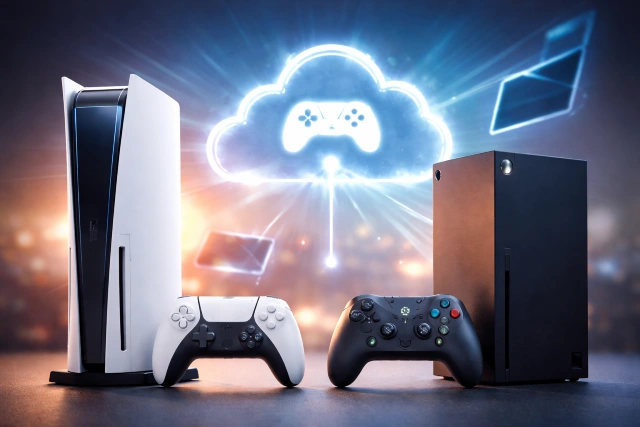
If you have followed gaming over the last two decades, you know how intense the competition has been. Brands fought for dominance, players argued about graphics and exclusives, and entire communities formed around their favorite platforms. Today, the battlefield looks different. Instead of choosing between plastic boxes under your TV, you are choosing ecosystems, subscriptions, and streaming services. Blog Gaming DualMedia dives deep into this shift, helping readers understand how we moved from console wars to a full blown cloud gaming revolution.
Let’s unpack how it all happened and what it means for gamers, developers, and the industry as a whole.
The Era of Console Wars
Before cloud gaming, before subscriptions, there were consoles. And not just consoles, but rivalries.
Sony vs Microsoft. Nintendo vs everyone. Each generation brought better graphics, stronger processors, and more ambitious game worlds. The so called console wars were about:
- Exclusive titles
- Performance benchmarks
- Controller design
- Online services
- Price points
According to historical sales data from Sony and Microsoft investor reports, PlayStation 2 remains one of the best selling consoles of all time, with over 155 million units sold. Later generations, including PlayStation 4 and Nintendo Switch, crossed the 100 million mark. Those numbers show how central consoles were to gaming culture.
Gamers chose sides. Forums exploded with debates. Entire YouTube channels were built around comparisons. This competitive landscape pushed innovation forward.
Blog Gaming DualMedia often explores how these rivalries shaped the modern gaming ecosystem. Without that competition, we would not have seen the rapid leap in graphical fidelity, online multiplayer infrastructure, or immersive storytelling.
Why Console Wars Mattered
The console wars did more than create drama. They:
- Accelerated hardware innovation
- Encouraged exclusive, high quality titles
- Improved online gaming services
- Drove down prices over time
Companies invested billions in research and development. The result was a golden era of AAA games with cinematic storytelling, massive open worlds, and sophisticated multiplayer modes.
But hardware had limits. No matter how powerful a console became, it was still tied to physical components. That limitation eventually opened the door to something bigger.
The Rise of Digital Distribution
Before we get to cloud gaming, we need to talk about digital transformation.
In the early 2000s, buying a game meant visiting a store and picking up a physical disc. Over time, platforms like Steam changed that model. Steam, launched by Valve in 2003, popularized digital downloads for PC gamers.
Soon, console manufacturers followed. PlayStation Network and Xbox Live Marketplace made it possible to buy and download games directly from your living room.
This shift brought several benefits:
- Instant access to games
- No physical storage required
- Regular discounts and sales
- Indie developer opportunities
According to a 2023 report by Newzoo, over 90 percent of PC game sales are now digital. Console sales are also heavily digital, especially with digital only console editions becoming more common.
Blog Gaming DualMedia frequently highlights how this digital shift paved the way for subscription services and cloud platforms. Once games became files instead of discs, streaming them from remote servers became a logical next step.
What Is Cloud Gaming?
Cloud gaming allows players to stream games from remote servers instead of running them on local hardware. In simple terms, the heavy processing happens in a data center, and your device displays the video output while sending back your inputs.
Services like Xbox Cloud Gaming, NVIDIA GeForce Now, and others have embraced this model. Instead of upgrading your console every few years, you can access high performance gaming on:
- Smartphones
- Tablets
- Low end laptops
- Smart TVs
This approach relies heavily on high speed internet and powerful server infrastructure. It is similar in concept to video streaming platforms like Netflix, but far more complex due to real time interactivity.
If you want a deeper technical explanation, cloud gaming is closely related to cloud computing, a model where computing resources are delivered over the internet. You can read more about cloud computing on Wikipedia.
From Hardware to Ecosystems
The biggest change in the move from console wars to cloud gaming is the focus on ecosystems rather than devices.
In the console era, the hardware was the hero. Now, the ecosystem is the star.
Companies are investing in:
- Subscription services
- Cross platform compatibility
- Cloud saves
- Game libraries
- Social integration
Xbox Game Pass is a prime example. Instead of selling just a console, Microsoft sells access to a rotating library of games. As of recent public statements, Game Pass has tens of millions of subscribers globally.
Blog Gaming DualMedia explores how this subscription based model changes player behavior. Instead of buying one game for 60 dollars, players experiment with multiple titles each month. This encourages discovery and supports smaller studios.
Case Study: Xbox Cloud Gaming
Xbox Cloud Gaming allows users to stream games directly to their devices without installing them. Combined with Game Pass Ultimate, it removes the need for high end hardware.
This model demonstrates several trends:
- Reduced hardware dependency
- Increased accessibility
- Global market expansion
- Stronger focus on internet infrastructure
In regions where consoles are expensive due to import costs and price tags, cloud gaming offers a more affordable entry point.
How Blog Gaming DualMedia Tracks Industry Shifts
One of the strengths of Blog Gaming DualMedia is its ability to connect technical changes with cultural impact.
It does not just report on new services. It analyzes:
- How gamers adapt to subscription models
- Whether cloud latency affects competitive play
- How indie developers benefit from digital platforms
- What data privacy concerns mean for users
By blending industry news, reviews, and long form analysis, the platform provides context rather than just headlines.
Performance, Latency, and Real World Challenges
Cloud gaming sounds perfect on paper, but real world performance depends on several factors:
- Internet speed
- Network stability
- Server proximity
- Device compatibility
According to data from Ookla’s Speedtest Global Index, countries with higher average broadband speeds experience better cloud gaming performance. Low latency is critical. Even a delay of 50 to 100 milliseconds can impact competitive games like shooters or fighting games.
Blog Gaming DualMedia often discusses these practical limitations. Not every gamer lives in a region with stable fiber internet. Until global infrastructure improves, traditional consoles will still have an edge in performance reliability.
The Economic Impact of the Cloud Gaming Revolution
The global gaming market is massive. According to Newzoo’s Global Games Market Report, the industry generates over 180 billion dollars annually. A significant portion of future growth is expected to come from mobile and cloud gaming.
Cloud gaming lowers barriers to entry. Players no longer need to invest hundreds of dollars in hardware. Developers can reach wider audiences without worrying about hardware compatibility.
This shift impacts:
- Hardware manufacturers
- Retail stores
- Game publishers
- Independent developers
Blog Gaming DualMedia emphasizes that while hardware sales may slow, service revenue is rising. Subscriptions create predictable, recurring income for companies.
Console Gaming Is Not Dead
It is tempting to assume that cloud gaming will replace consoles entirely. That is unlikely, at least in the near future.
High end consoles still offer:
- Superior offline performance
- Stable frame rates
- Full ownership of physical copies
- Lower latency
Competitive esports players often prefer local hardware to minimize delay. Enthusiasts who care about 4K graphics and high refresh rates still value powerful consoles and gaming PCs.
Blog Gaming DualMedia presents this evolution as coexistence rather than replacement. Cloud gaming expands the market, while consoles continue serving performance focused users.
Frequently Asked Questions About Cloud Gaming
Many readers ask similar questions when learning about this transition. Let’s address them clearly.
Is cloud gaming the future of gaming?
Cloud gaming is likely to become a major part of the industry, especially for casual and mobile players. However, traditional hardware will remain relevant for high performance gaming.
Do you need fast internet for cloud gaming?
Yes. Stable broadband with low latency is essential. Fiber connections provide the best experience.
Is cloud gaming cheaper than buying a console?
In many cases, yes. Subscription models reduce upfront costs, though long term subscription fees can add up.
Does cloud gaming affect game ownership?
Most cloud platforms operate on subscription models, meaning access is tied to membership rather than permanent ownership.
These are the kinds of practical concerns Blog Gaming DualMedia continues to explore in depth.
Actionable Tips for Gamers Entering the Cloud Era
If you are considering cloud gaming, keep these practical tips in mind:
- Test your internet speed and latency before subscribing
- Use wired connections when possible
- Check data caps from your internet provider
- Compare subscription libraries carefully
- Start with free trials
Real world experience matters more than marketing claims. Reading in depth reviews on Blog Gaming DualMedia can help you choose the right platform for your needs.
The Cultural Shift: Gaming Without Borders
Perhaps the most exciting part of the cloud gaming revolution is accessibility.
A teenager in a developing country can stream a high end game on a basic device. A busy professional can jump into a session on their tablet during travel. Gaming becomes less about location and more about connectivity.
This shift changes gaming culture. Communities form around shared experiences rather than shared hardware. Cross platform multiplayer reduces barriers between friends.
Blog Gaming DualMedia captures this cultural transformation, showing how technology reshapes social interaction and digital entertainment.
Conclusion: From Rivalry to Revolution
The journey from console wars to cloud gaming reflects the broader evolution of technology. What started as fierce competition between hardware giants has transformed into a race to build the most compelling digital ecosystem.
Blog Gaming DualMedia stands at the intersection of these changes, offering insight into industry trends, subscription models, performance challenges, and future possibilities. It reminds us that gaming is not just about devices. It is about experiences, communities, and innovation.
As internet infrastructure improves and streaming technology advances, cloud gaming will continue to grow. Yet consoles will not disappear overnight. Instead, the industry will likely settle into a hybrid model where hardware and cloud services complement each other.
For gamers, this is good news. More options, more flexibility, and more ways to play.