



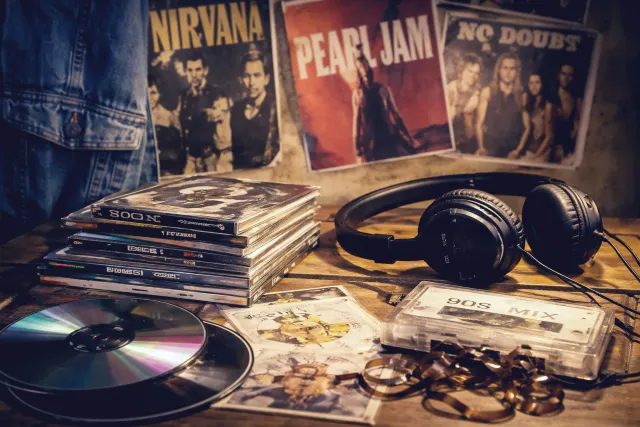
If you ever catch yourself humming a chorus you have not heard in years, there is a good chance it came from the era of 90s bands. The 1990s were loud, emotional, experimental, and weird in the best way. Grunge made angst sound poetic. Pop became stadium sized fun. R and B groups brought harmonies back with style. Britpop turned everyday life into an anthem. And MTV helped turn bands into full blown cultural moments, not just voices on the radio.
- What made the 1990s a “band era”?
- Quick snapshot: the 90s bands ecosystem (by sound)
- Grunge and alternative rock: the sound of real feelings
- Britpop and UK rock: anthems for everyday life
- Pop groups: the hit factory years
- R and B vocal groups: the decade of harmonies and heartbreak
- Punk, ska, and alternative pop: chaos with catchy hooks
- Nu metal and heavy alternative: the late 90s turning point
- One list, many moods: a nostalgia playlist blueprint
- How to rediscover 90s bands without getting stuck on the same 10 songs
- Common questions people ask about 90s bands
- The ultimate nostalgia shortlist (easy scan)
- Conclusion: why 90s bands still feel like home
What makes the decade special is not only the music. It is how the music felt tied to everything: the clothes, the movies, the teen magazines, the CD book in the car, and that one friend who always had the best mixtapes. This list is built to spark that exact feeling, while also giving you a clear, genre based map of the bands that truly shaped the decade.
Along the way, you will also see why the 90s became a high point for recorded music sales in the US, including the late decade peak in 1999.
What made the 1990s a “band era”?
A lot of decades have legendary artists, but the 90s leaned heavily into groups that felt like movements. Here are a few reasons the band culture hit differently:
- Visual culture exploded. Music videos and live TV performance series helped bands create identities beyond the songs.
- Charts and sales measurement tightened up. Billboard’s adoption of SoundScan era data in the early 1990s shifted what “popular” looked like on paper, boosting genres that were selling strongly in real stores.
- CDs became the default. People bought full albums, not just singles, which rewarded bands with strong tracklists and big fanbases. US recorded music sales hit an all time high in 1999.
- Genre walls got thinner. Alternative bands went mainstream, hip hop crossed into pop radio, and rock started borrowing from everywhere.
Quick snapshot: the 90s bands ecosystem (by sound)
| Genre lane | What it sounded like | Why it mattered |
|---|---|---|
| Grunge and alt rock | Heavy guitars, raw vocals, honest lyrics | Turned outsider music into the mainstream |
| Pop groups | Big hooks, choreography, glossy production | Defined teen culture and global radio |
| R and B vocal groups | Harmonies, romance, swagger | Put vocals back at the center of pop |
| Britpop | Sharp melodies, everyday storytelling | Gave the UK a cultural counter punch |
| Punk and ska | Fast, witty, rebellious | Made “fun chaos” chart friendly again |
| Nu metal and heavy alt | Aggression plus hip hop energy | Set the stage for early 2000s rock radio |
Now let’s get into the bands that actually defined the decade.
Grunge and alternative rock: the sound of real feelings
Nirvana
Even if you never owned a flannel shirt, you still felt the aftershock. Nirvana’s impact was not only musical, it was cultural. They pulled underground energy into the center of pop culture and made vulnerability sound fearless.
Why they defined the decade
- Turned alternative rock into a mainstream force
- Shifted songwriting toward raw emotion and stripped honesty
- Influenced everything from fashion to how labels marketed rock
Pearl Jam
Pearl Jam gave grunge longevity. Their music carried weight, but it also had classic rock DNA, which helped it travel across generations. They were also a major example of a band whose identity included values, not just aesthetics.
90s standout traits
- Arena level presence without losing seriousness
- Albums that worked as full listens, not just single hunting
Soundgarden
Soundgarden were the heavy thinkers of the scene. Complex riffs, powerful vocals, and a sound that could go from doom to melody without blinking.
Alice in Chains
Alice in Chains delivered some of the decade’s darkest, most haunting work. Their harmonies were distinctive, and their tone was unforgettable.
R.E.M.
R.E.M. started earlier, but the 90s bands proved their staying power. They blended introspection with hooks and helped normalize alternative music as something adults and teens could both claim.
Smashing Pumpkins
The Smashing Pumpkins made rock feel cinematic. Their best 90s work had ambition, texture, and that “this matters” emotional intensity that defined the decade.
Radiohead
Radiohead grew from guitar rock into something bigger, pushing experimentation into the mainstream. Their 90s output helped redefine what rock could be, especially for listeners who wanted mood and meaning more than swagger.
Britpop and UK rock: anthems for everyday life
Oasis
Oasis turned simple chords into massive moments. Their songs felt like they belonged in stadiums, pubs, and bedrooms all at once. For many fans, Oasis were the sound of confidence.
Blur
Blur were the clever counterpart. Where Oasis leaned big, Blur leaned sharp and playful, turning ordinary life into pop art.
Pulp
Pulp brought storytelling and social observation, proving that a band could be witty, stylish, and emotionally messy at the same time.
Spice Girls (yes, pop, but culturally UK defining)
They are usually filed under pop groups, but culturally they sit in the same “UK defined the moment” conversation. Their message of friendship and confidence became a global brand.
Pop groups: the hit factory years
Pop groups did not just dominate charts. They dominated school hallways, TV countdowns, and mall speakers. They also helped prove that “manufactured” did not mean “forgettable.”
Backstreet Boys
Tight harmonies, polished production, and hooks built for repeat listening. Their success also showed the international power of pop marketing done right.
NSYNC
NSYNC brought performance energy and personality. They were built for the music video era, but their vocal blend made them last longer than trends.
Spice Girls
They were a phenomenon, not just a band. Branding, personalities, catchphrases, and songs you could shout with your friends. That is cultural definition.
Hanson
Hanson were a reminder that youthful doesn’t mean shallow. They delivered a massive hit, but also had musicianship that earned respect over time.
R and B vocal groups: the decade of harmonies and heartbreak
If rock was the decade’s catharsis, R and B groups were its romance, confidence, and emotional precision. These groups helped shape how modern pop vocals are arranged, layered, and performed.
Boyz II Men
They made ballads feel huge and intimate at the same time. Their chart dominance is part of 90s history, including record breaking runs at number one that became cultural reference points.
TLC
TLC brought style, message, and edge. They could do playful and serious without sounding like two different bands. Their influence shows up in pop and R and B today, especially in how attitude and vulnerability share space.
Destiny’s Child
Their late 90s rise set the template for modern girl groups: strong vocals, confident storytelling, and a mix of personal and empowering themes.
En Vogue
Smooth harmonies, fashion forward presence, and timeless tracks. They were the definition of polish without losing soul.
Punk, ska, and alternative pop: chaos with catchy hooks
The 90s also created a special space for music that was fast, funny, and full of personality. It did not always look “serious,” but it shaped youth culture and helped define what alternative meant for a wider audience.
Green Day
Green Day made punk radio friendly without stripping the attitude. They helped bring punk energy into the mainstream and made it feel accessible.
The Offspring
The Offspring delivered punchy tracks that felt like a rebellious grin. Their 90s work is a time capsule of the era’s restless humor.
Blink 182
They leaned into youthful chaos and turned it into a recognizable brand of pop punk that dominated the next decade too.
No Doubt
No Doubt mixed ska roots with pop instinct and style. Their sound and image helped define the mid to late 90s alternative scene.
Nu metal and heavy alternative: the late 90s turning point
By the late 90s, rock started absorbing hip hop rhythms, heavier production, and a more aggressive, groove driven style. This movement became a bridge into early 2000s rock radio.
Korn
Korn helped define the emotional intensity and sonic weight of the genre. Their influence is hard to miss in later heavy bands.
Limp Bizkit
Love them or hate them, they captured a very specific late 90s energy: loud confidence, rap rock crossover, and mosh pit theatrics.
Deftones
Deftones brought atmosphere and texture. They were heavier than most, but also more emotional and experimental, which gave them lasting appeal.
One list, many moods: a nostalgia playlist blueprint
If you want a fast way to relive the decade without overthinking it, build a playlist using this simple structure. It keeps the vibe varied, like a real 90s CD mix.
Playlist structure
- 3 grunge and alt rock tracks
- 2 Britpop tracks
- 3 pop group hits
- 3 R and B group songs
- 2 punk or ska tracks
- 2 late 90s heavy or nu metal tracks
- 1 wildcard deep cut
That mix recreates what the decade felt like: genre hopping was normal, and taste was allowed to be messy.
How to rediscover 90s bands without getting stuck on the same 10 songs
A lot of people only remember the biggest singles, but the 90s were an album era. Here are practical ways to go deeper while still keeping it fun:
- Listen to full albums in context. Many of the best 90s releases are built like stories, not playlists.
- Try live versions for a different angle. Acoustic sets often reveal why a band mattered beyond production trends. MTV’s performance culture made that especially important.
- Explore “scene neighbors.” If you like Pearl Jam, try bands that toured with them or were part of the same regional movement. If you like TLC, explore other acts produced by the same hitmakers.
- Use chart history as a map, not a rule. SoundScan era shifts changed which genres climbed charts, and that can lead you into unexpected discoveries.
Common questions people ask about 90s bands
Which genre dominated the 1990s?
It depends on the year. Early to mid 90s leaned heavily into grunge and alternative rock in mainstream culture, while late 90s leaned into pop groups and R and B dominance. The decade is remembered as diverse because multiple genres held the spotlight at different times, not because one sound owned the whole era.
Why do 90s bands feel more “memorable” than many modern acts?
Part of it is the album focused economy and shared media moments. When audiences watched the same music shows and bought full albums, bands became part of a collective experience. Recorded music sales also surged through the decade, peaking in the US in 1999, reflecting just how central music buying was to everyday life.
Did chart methods really change what became popular?
Yes. Billboard’s adoption of SoundScan data in the early 90s is widely credited with changing the visible shape of popularity, because it relied more on actual scanned sales data rather than looser reporting methods.
Are 90s bands still influencing music today?
Absolutely. You can hear it in modern pop punk revivals, the continued popularity of 90s fashion aesthetics, and the way current artists borrow 90s style cues. Even streaming era discovery often resurrects 90s tracks for new audiences, turning older songs into new trends.
The ultimate nostalgia shortlist (easy scan)
If you want a quick “start here” shortlist from this article, these picks cover the widest cultural footprint:
- Nirvana
- Pearl Jam
- Radiohead
- Oasis
- Blur
- Backstreet Boys
- NSYNC
- Spice Girls
- Boyz II Men
- TLC
- Destiny’s Child
- Green Day
- No Doubt
- Korn
Conclusion: why 90s bands still feel like home
The reason 90s bands defined a generation is simple: they matched the decade’s emotions. The 90s held contradictions. Optimism and cynicism. Glossy pop and raw grunge. Sweet harmonies and angry guitars. And bands were the perfect vehicle for all of it because they felt like communities, not just performers.
When you revisit the era, it is not only nostalgia for the music. It is nostalgia for how music worked: buying albums, memorizing lyrics, watching performances, debating favorites with friends, and letting a band’s sound become part of your identity. If you want one last reminder of how the decade made live performance feel personal, revisit MTV Unplugged and notice how many iconic artists used that stage to prove their talent without any studio armor.