


If you’ve been shopping for wigs, bundles, or extensions lately, you’ve probably seen 613 hair color everywhere. It pops up in product titles, influencer videos, and salon conversations like everyone already knows what it means. But here’s the truth: a lot of people buy 613 expecting “platinum,” then get surprised when it arrives looking more like a soft, buttery blonde.
- What is 613 hair color?
- How 613 hair color looks in real life
- 613 hair color vs other popular blonde codes
- What level is 613 hair color?
- Who 613 hair color suits best
- Why 613 hair color is trending so hard
- Choosing the right 613: wig, bundles, or extensions
- How to tone 613 hair color so it looks expensive
- Keeping 613 hair color bright without frying it
- The hidden enemy: hard water and brassiness
- Safety and scalp basics (especially if you dye or tone)
- Real world style ideas that make 613 look more natural
- Quick FAQ about 613 hair color
- Conclusion: is 613 hair color worth it?
So let’s clear it up in plain English. This guide breaks down what 613 hair color actually is, how it looks in real life, who it flatters most, how to maintain it, and why it has become the go to base shade for custom colors and trendy transformations.
What is 613 hair color?
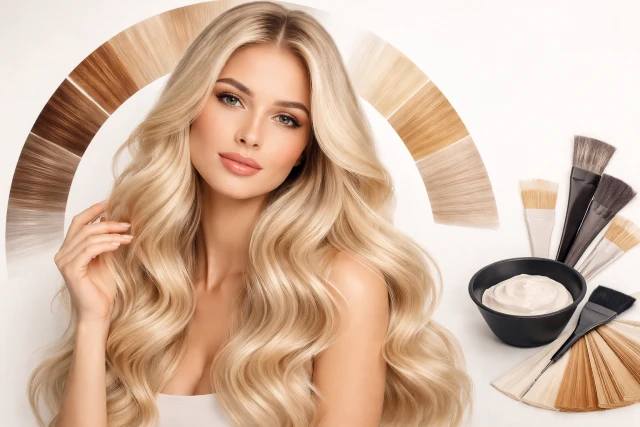
613 hair color is a widely used shade code in the wig and hair extension industry for a very light blonde with warm, golden undertones. Think “light blonde that can be toned cooler” rather than “icy white out of the box.” Many brands describe 613 as a near platinum or pale blonde, but in practice it often sits in the light blonde range with a noticeable warmth.
Why the number matters
Unlike salon dye labels, these numbers are industry shade codes used across many hair vendors. That’s why you’ll see “613” on packaging, product listings, and wholesale bundles. It’s meant to be a quick shorthand for buyers and stylists.
A helpful way to remember it:
- 613 = very light blonde, usually warm
- It’s often chosen because it’s easy to tone, dye, or customize into other shades
How 613 hair color looks in real life
In natural light, 613 hair color usually appears as:
- Light blonde with a soft gold tint
- Bright, photo friendly, and high contrast against darker roots or brows
- Sometimes slightly yellow or brassy if it’s not toned (especially under indoor lighting)
Why the variation? Two reasons:
- Different vendors process hair differently, so “613” can lean more creamy, more yellow, or more neutral.
- Lighting changes everything. Warm indoor bulbs can push it more golden, while daylight makes it look cleaner and brighter.
613 hair color vs other popular blonde codes
If you’re stuck between a few blonde options, this quick comparison helps.
| Shade code | Typical look | Undertone | Best for |
|---|---|---|---|
| 60 | Lightest platinum blonde | Cool to neutral | People who want an icy blonde with less toning |
| 613 | Very light blonde | Warm to neutral | Custom coloring, toning flexibility, brighter “blonde bombshell” looks |
| 27 | Honey blonde | Warm | Soft golden blondes that look natural on warm undertones |
| 1B | Natural off black | Neutral | Natural looking installs and contrast styles |
This is why 613 is so popular: it’s bright enough to feel “blonde era,” but still flexible enough to push warmer or cooler depending on your toner and styling.
What level is 613 hair color?
In salon terms, hair color levels usually run from 1 (black) to 10 (lightest blonde).
Most 613 hair sits around level 9 to 10, depending on the vendor and processing.
Here’s the key detail: as hair lifts lighter, underlying pigments show through. Levels 8 and 9 often reveal yellow tones, and level 10 can still look pale yellow. That’s why warmth can appear even when hair is “very light.”
So if your 613 looks slightly yellow, it doesn’t automatically mean it’s “bad.” It often just means it needs toning to match the exact finish you want.
Who 613 hair color suits best
The short answer: almost anyone can wear 613 hair color if you style it intentionally. The longer answer depends on your skin undertone, your makeup style, and how you plan to blend it with brows and roots.
If you have a warm undertone
You’ll usually look amazing in 613 as is, because the golden warmth complements your skin. Your best styling options:
- Honey blonde melt
- Rooted 613 (dark root fade into blonde)
- Soft waves or blowout styles that make it look “sunlit”
If you have a cool undertone
You can still wear 613, but you’ll likely prefer it toned cooler so it doesn’t pull yellow. Your best options:
- Ash toner
- Pearl blonde toner
- Rooted ash blonde finish
If you have a neutral undertone
Lucky spot. You can go either direction:
- Keep it warm for a glowing look
- Tone it cool for a sharp, editorial vibe
The easiest way to decide
Ask yourself this: do you look better in gold jewelry or silver jewelry?
- If gold wins, warm 613 will feel natural.
- If silver wins, tone your 613 cooler.
- If both work, you can change the vibe with toner, makeup, and root shading.
Why 613 hair color is trending so hard
This trend isn’t random. It’s tied to how people shop for hair today.
1) It’s the perfect base for custom colors
A big reason 613 is everywhere: it’s one of the best starting shades for:
- Pastels (pink, lavender, peach)
- Fashion colors (blue, green, red)
- Strawberry blonde
- Beige blonde
- Champagne blonde
Because 613 is already very light, it takes color more easily than darker shades and gives a brighter result.
2) Wigs and extensions are booming
The global wigs and extensions market has been growing, driven by beauty trends, convenience, and hair loss solutions, with multi billion dollar market estimates and continued expansion forecasts.
As more buyers try wigs for the first time, 613 stays popular because it delivers an instant, dramatic transformation.
3) It photographs beautifully
613 reflects light like crazy. That’s why it looks so clean in selfies, reels, and studio lighting. It makes hair look “expensive” fast, especially with:
- Layered cuts
- Beach waves
- Face framing pieces
Choosing the right 613: wig, bundles, or extensions
Not all 613 hair is equal. Here’s what to check before you buy.
Human hair vs synthetic
- Human hair 613: more natural movement, easier to tone and dye, can be heat styled (within reason).
- Synthetic 613: cheaper, often pre styled, but harder to recolor and may have shine that looks less natural.
Lace type and realism
If you’re buying a wig:
- Transparent or HD lace can help blend the hairline.
- A rooted or pre plucked hairline often looks more realistic, especially with such a bright shade.
Density matters more with 613
Bright blonde can look “thin” if density is low. If you like a fuller look, consider:
- Slightly higher density
- Layering and curls to add volume
- A darker root to create depth
How to tone 613 hair color so it looks expensive
If your goal is a cooler blonde, toning is your best friend.
The simple concept (no salon jargon)
Warm blonde has yellow tones. Purple tones cancel yellow. That’s why purple shampoo exists, and why it helps blondes look cleaner.
Using purple shampoo on 613
A basic routine many people follow:
- Use purple shampoo once a week (or as needed)
- Leave it on for a few minutes, then rinse
- Always follow with conditioner or a mask because toning shampoos can feel drying
If you overdo it, hair can look dull or slightly tinted, so balance is key.
Toner vs purple shampoo
- Purple shampoo is maintenance. It deposits small amounts of pigment.
- Toner is a bigger shift. It’s what you use when you want a true change in tone (like going from golden to ash).
If you want a very icy finish, you typically need toner, not just shampoo.
Keeping 613 hair color bright without frying it
Let’s be honest: hair that’s lifted this light needs gentle care. Bleaching and lightening can cause structural changes and increase cuticle damage, especially with repeated sessions or stronger oxidizing agents.
That doesn’t mean you should fear 613. It just means you should treat it like “high maintenance luxury hair.”
A realistic weekly care routine
Wash day
- Use a sulfate free shampoo most of the time
- Use purple shampoo only when needed
- Follow with a hydrating conditioner
Once weekly
- Deep conditioning mask
- Focus on mid lengths and ends
After washing
- Leave in conditioner
- Heat protectant before blow drying or styling
- Lightweight oil on ends (not roots)
Heat styling tips that actually help
- Keep heat moderate, not maxed out
- Use a blow dryer with controlled airflow rather than repeatedly passing a flat iron
- If you curl, use larger barrel curls and brush them out for soft waves (less heat time, better look)
The hidden enemy: hard water and brassiness
If your 613 keeps turning dull or brassy even when you tone it, your water might be the problem.
Hard water contains minerals like calcium and magnesium that can build up on hair, making it feel dry and look less bright. It can also mess with color and create that stubborn “not as blonde as it used to be” vibe.
Signs your water is affecting your blonde
- Hair feels coated or stiff
- Blonde looks darker or dingy
- Purple shampoo seems less effective
- Conditioner doesn’t feel like it’s soaking in
What helps
- A shower filter (especially if you notice buildup)
- Occasional clarifying or chelating shampoo to remove mineral deposits
- Don’t clarify too often, because 613 hair still needs moisture
Safety and scalp basics (especially if you dye or tone)
If you’re doing any chemical processing at home, scalp safety matters.
The FDA recommends following label directions on hair dye products and being mindful of reactions and safe use.
Some people can develop allergic contact dermatitis from hair dye ingredients, and patch testing is one way clinicians identify triggers in contact dermatitis cases.
Practical takeaway:
- Do a patch test if you’re trying a new dye or toner brand.
- If you feel burning, intense itching, swelling, or blistering, stop and seek medical advice.
Real world style ideas that make 613 look more natural
If you love 613 but worry it will look “too bright,” try these styles that add realism.
Rooted 613
A darker root makes the blonde look intentional and reduces the contrast at your hairline. It also:
- Helps blend with brows
- Makes regrowth less obvious (if it’s your natural hair)
Money piece with depth
Add face framing brightness while keeping the rest slightly darker or warmer. The result is trendy but not overwhelming.
Warm beige blonde
Instead of fighting warmth, lean into it and soften it:
- Beige toner
- Soft curls
- Neutral makeup
Pastel transformation
613 is a favorite base for pastel colors because it starts light. If you want pastel pink, lavender, or peach, 613 makes it easier to get a vivid result with fewer steps.
Quick FAQ about 613 hair color
Is 613 hair color the same as platinum blonde?
Not always. 613 is usually a very light blonde that can lean warm. Platinum often implies a cooler, icier finish, which may require toning.
Can I dye 613 hair color any shade?
You can dye it many shades, especially darker colors and fashion tones. For very specific results, test on a small section first because processing and porosity vary by vendor.
Why does my 613 hair color look yellow?
Light hair often shows underlying yellow pigment, and lighting can exaggerate it. Purple shampoo or toner can help neutralize the yellow depending on how warm it is.
How often should I use purple shampoo on 613 hair color?
Usually once a week or when brassiness appears. Overuse can make hair feel dry or look dull, so balance it with hydration.
Does hard water really affect blonde hair?
Yes, mineral buildup can dull blonde shades and contribute to dryness and brassiness. Occasional chelating or clarifying can help remove buildup.
Conclusion: is 613 hair color worth it?
613 hair color is popular for a reason. It’s bright, high impact, and surprisingly flexible. You can wear it warm and golden, tone it cooler for an icy look, add a root for realism, or use it as a base for bold custom colors. The tradeoff is maintenance, because very light hair needs moisture, gentle handling, and occasional toning to stay fresh.
If you want a blonde that turns heads and gives you endless styling options, 613 is one of the best places to start. And when you understand the basics of toning and the color wheel, you’ll have full control over whether your blonde looks warm, neutral, or cool.